5 Lessons from travel
As my trip to Europe comes to an end, I’ve been reflecting on what I’ll actually take away from it. Not the food (although, let’s be honest… strong takeaways there too), but the things that change how you experience a place. The small shifts that turn travel from “seeing things” into actually living somewhere, even if it’s only for a short time.
This wasn’t a checklist trip. It wasn’t about racing between landmarks. Somewhere along the way, it became about understanding how places feel, how people live, and how you can fit into that rhythm. These are five lessons that changed how I travelled—and probably how I’ll travel going forward.
1. Embrace the Location (Don’t Compare It)
One of the biggest traps when you travel is comparison. You land somewhere new and immediately start measuring it against home—better, worse, faster, slower.
It’s natural, but it takes you out of the moment.
Early on, I made a conscious decision to stop doing that and instead just understand how each place works. Once I did that, everything opened up.
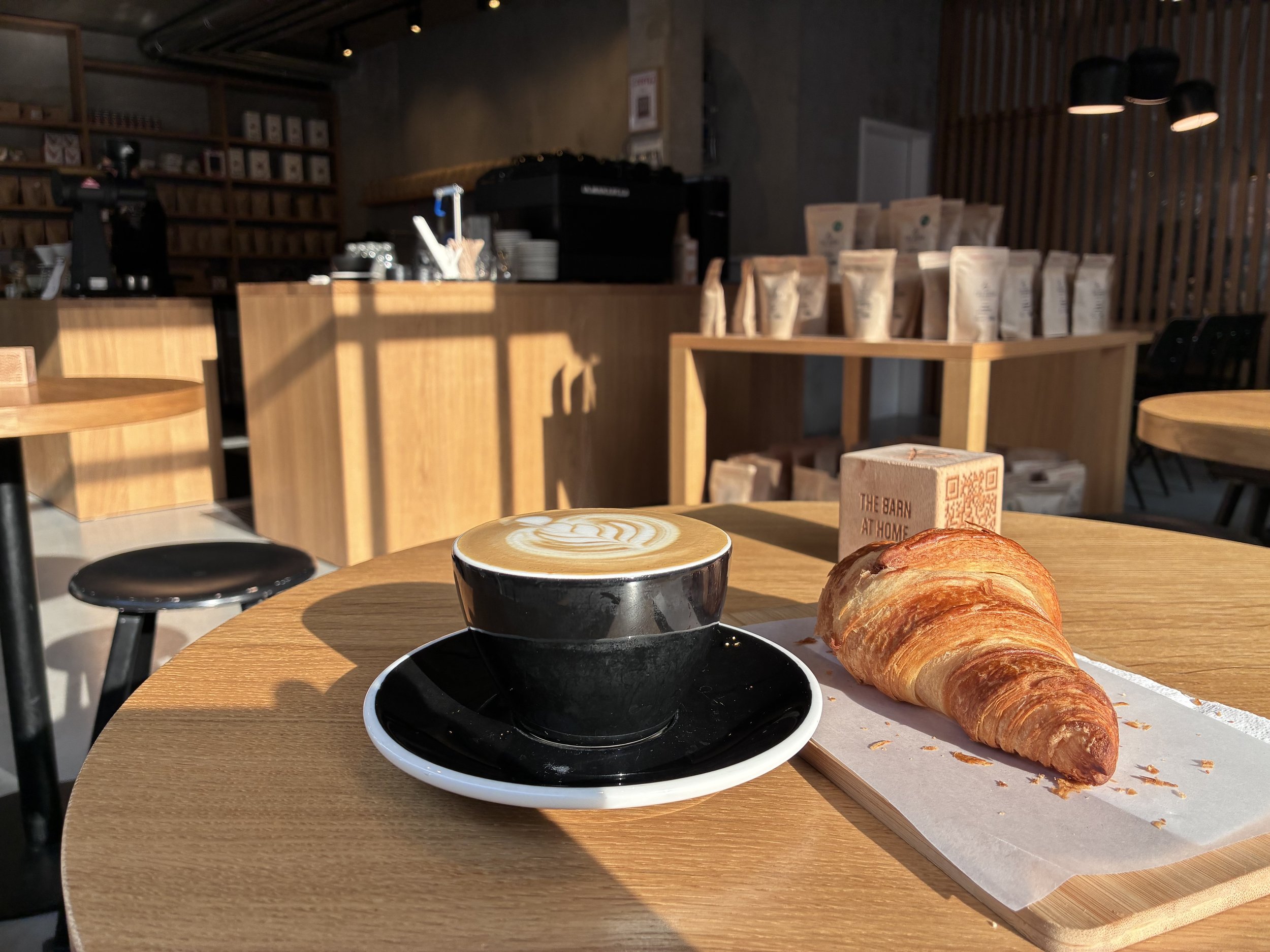
Take coffee. Sydney does it one way—early, consistent, high standard. But in Europe, every city has its own approach. London leans into filter coffee, Munich keeps it simple and available, and Paris focuses less on the coffee and more on the experience of sitting and being.
Once I stopped expecting Sydney coffee, I started enjoying what was actually there. In Munich, I’d sit in cafés for hours writing. In Paris, I’d sit outside with no agenda, just watching the world go by.
The same goes for daily rhythm. London wakes early, Munich a bit later, Paris later again. Instead of forcing my routine, I adjusted to theirs—running early where it made sense and later when the city came alive.
You stop trying to recreate home and start experiencing something new. That’s where travel really begins.
2. Be the Helpful Guy on the Subway
This one is simple, but it made a difference.
Public transport in Europe is busy—lots of people standing, constant movement. It’s easy to just keep to yourself. But I made a small decision to be more aware. Offer the seat, make space, move without being asked.
What I noticed was how far that went. Every time, there was a small moment—a “merci,” a “danke,” a smile. Nothing big, but it lifted both people.
In Sydney, it often feels like you have to qualify to be offered a seat. Here, it felt more natural. More human.
And the more I did it, the more I realised it’s not really about the action—it’s about the energy you bring. You can move through a city anonymously, or you can leave small positive moments behind you.
I know which one feels better.
3. Run or Cycle — It Changes Everything
If you want to really see a city, run or cycle.
Public transport shows you the main routes. Running and cycling show you everything else.
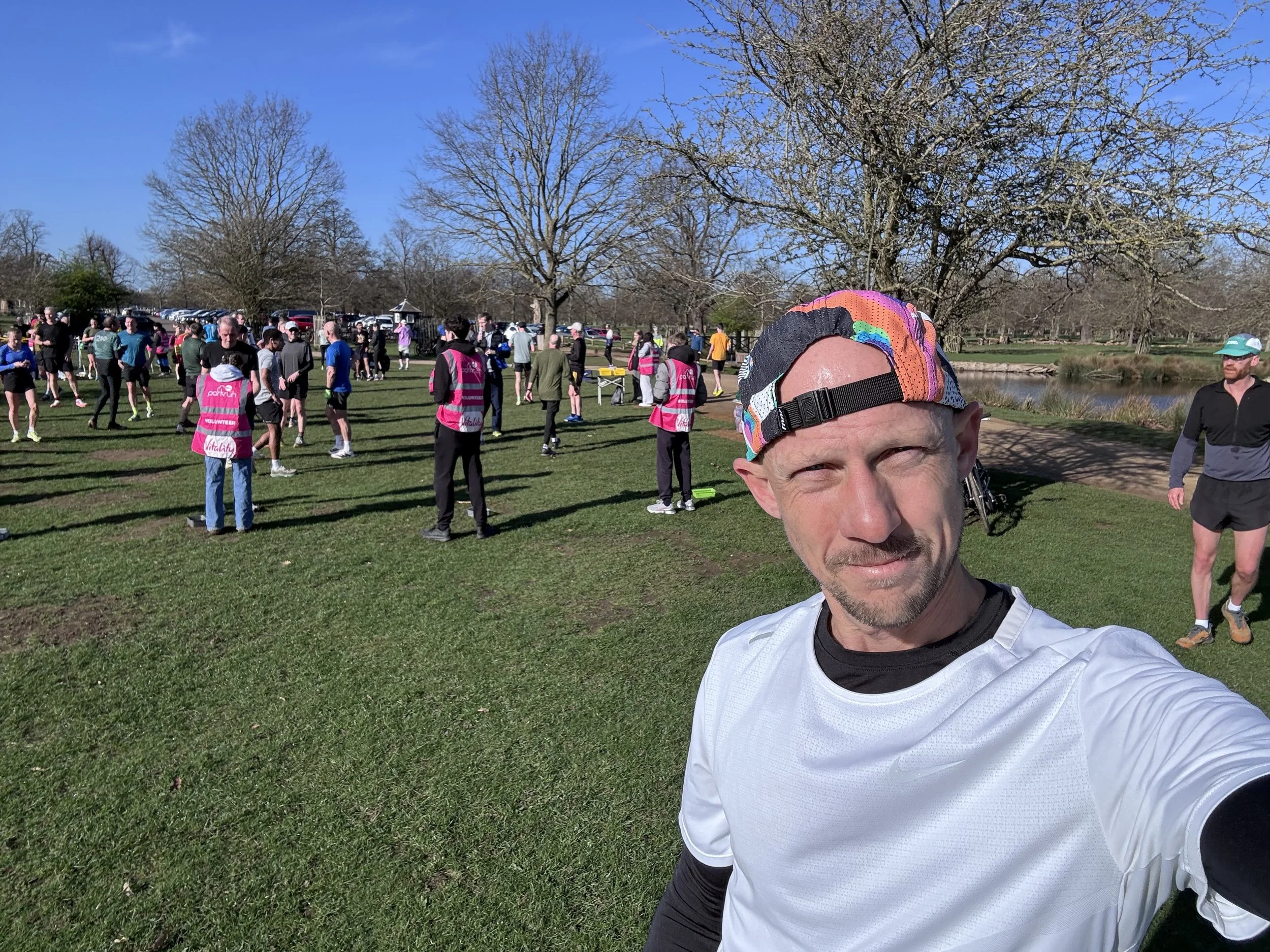
When you run, you create your own path. You turn down random streets, cut through parks, and find parts of the city you’d never plan to visit.
Some of my best moments came from early morning runs—empty streets, iconic spots without crowds, and that soft morning light that makes everything look better.
Cycling added another layer. It’s faster, but still immersive. You’re part of the flow of the city, not just observing it.
What stood out in Europe was how easy it is. The infrastructure supports it, and there’s safety in numbers. I used Lime bikes a lot—they were cheap, easy, and always available.
In Munich, during a transport strike, cycling wasn’t just helpful—it was essential. But more than that, it opened up parts of the city I wouldn’t have seen otherwise—small bakeries, quiet streets, local spots.
It’s something I’ll take home. Not just for fitness, but as a better way to move through everyday life.
4. Get Out at Different Hours
Most people experience a city at the same times. But cities change depending on the hour, and some of my best memories came from stepping outside those usual windows.
Early mornings were special. Running through quiet streets, seeing landmarks without crowds, and in Paris, smelling fresh bread coming out of bakeries.
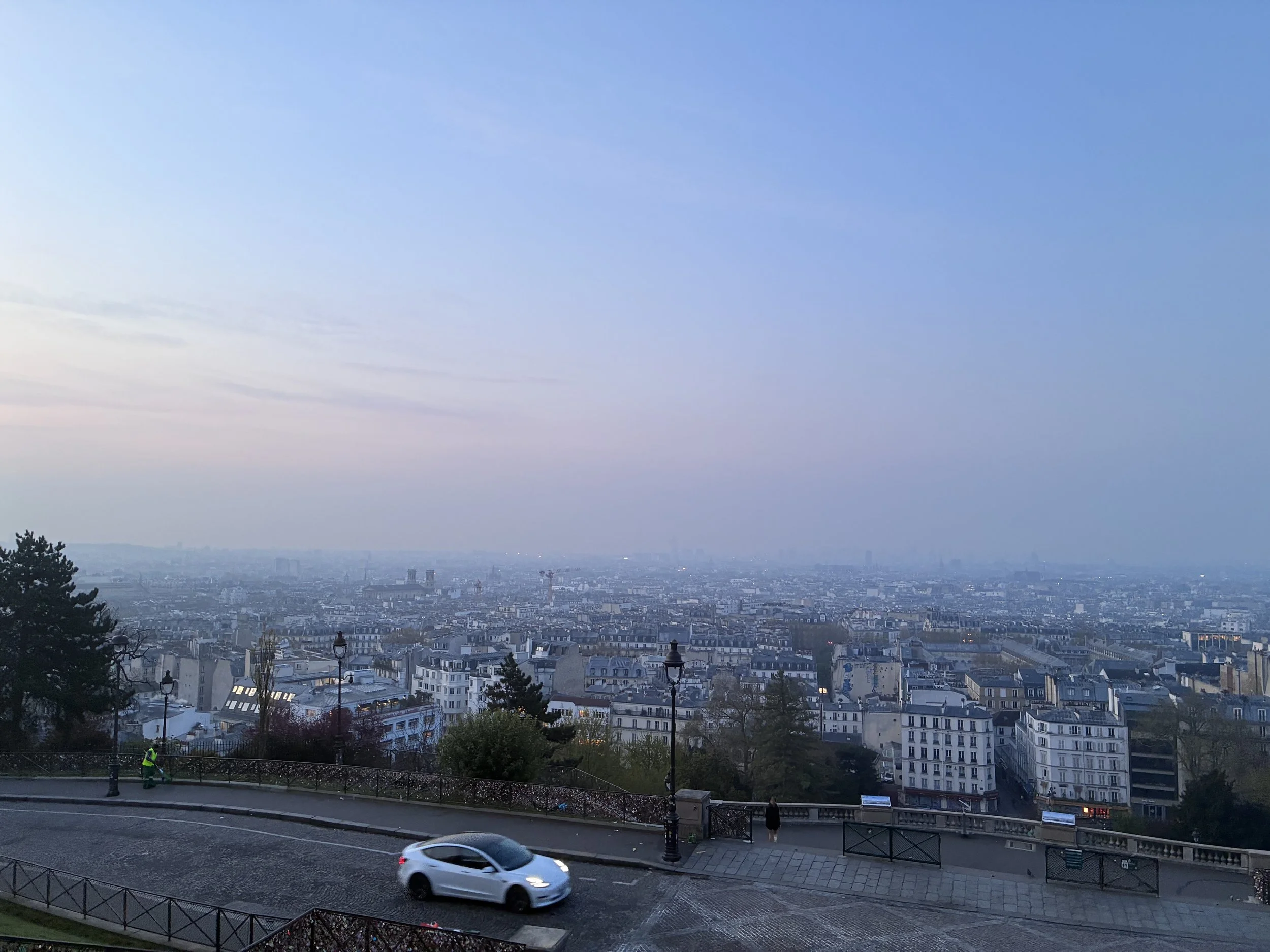
Paris early in the morning
Late nights were different again. Walking home when things are quiet, seeing how people unwind, how the city settles.
One of my favourite moments happened well after midnight. I was riding a Lime bike home after a Champions League game, and at every set of lights there were two guys on a Vespa. We ended up racing each other from light to light, laughing the whole way.
No shared language. Just a moment.
Weekends showed another side. In Munich, parks were full—volleyball, beer gardens, people just enjoying life. In Paris, groups playing bocce, completely locked in.
What stood out most was how many shops were closed on Sundays in Paris. At first, inconvenient. Then… kind of great. Because people filled the parks instead.
It made me wonder if having everything open all the time is actually better—or if it just keeps us busy.
5. Slow Down
If there’s one lesson that defined this trip, it’s this—slow down.
Originally, that wasn’t the plan. I thought I’d be moving constantly. But having a few nights in each city (and a bit more time in Munich) changed everything.
When you’re not rushing, you stop trying to optimise every minute. You sit longer, wander more, notice more.
I found myself spending hours in cafés, walking into random shops, taking longer routes just to see where they went. Even doing normal things like laundry became part of the experience because it created moments to connect.
That’s when a place starts to feel real—not like a destination, but like somewhere people actually live.
And interestingly, the moments that stayed with me weren’t the big ones. They were the quiet, in-between ones.
Slowing down gives you space—to think, to notice, to connect. It turns travel from something you do into something you feel.
Final Thought
Travel isn’t just about where you go—it’s about how you go.
You can rush through places, tick off the highlights, and move on. Or you can step into the rhythm of a city and experience it properly.
This trip reminded me of something simple:
You don’t need more places.
You need better presence.
And if you get that right, any city can feel like somewhere you belong.