What running taught me about life
At some point last year, somewhere between tying my shoes and wondering why on earth I’d planned another run, I realised something interesting was happening.
Running wasn’t just making me fitter — it was quietly rewiring how I approached life.
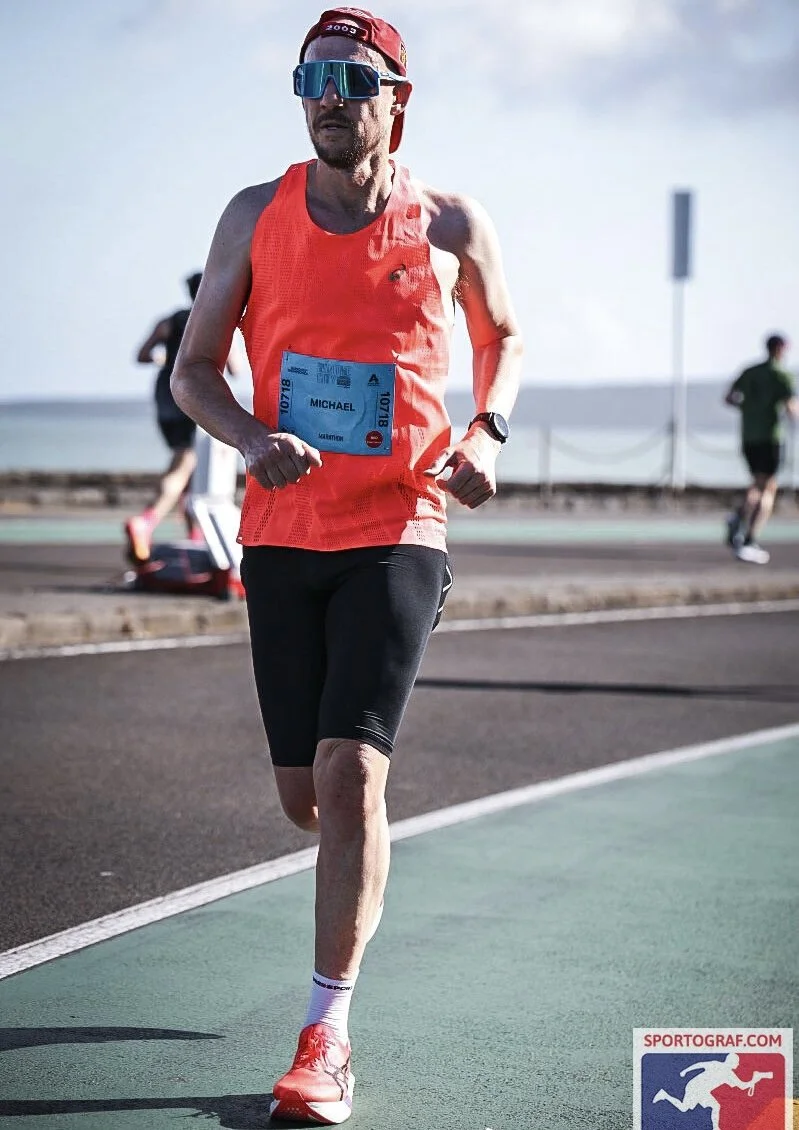
I posted a short reflection on Instagram about the life lessons I’d picked up through running. Honestly, I thought it would land like most running posts do: a few likes, a couple of “nice one mate” comments, and then disappear into the algorithm abyss.
Instead, it resonated. A lot.
It ended up being one of my most liked posts of the year, and more importantly, people messaged saying, “This isn’t really about running, is it?”
Exactly.
So here’s a deeper look at the principles running taught me — and why they matter just as much off the road as they do on it.
Show up regularly — even on the days you feel average
This one had to be first, because it underpins everything else.
There are days when you feel strong, motivated, and borderline heroic. And then there are days when tying your shoes feels like an act of bravery. Running taught me that both days count.
Especially the second one.
Progress doesn’t come from heroic efforts alone — it comes from consistency. From showing up when you don’t feel like it and doing something. Not your best. Just something.
In life, this looks like replying to the email, making the call, doing the bare minimum workout, or taking one step forward instead of none. It’s rarely glamorous, but it compounds quietly over time.
Any progress is better than no progress. And it all adds up.
Embrace the fact that it’s a long game
If running has taught me anything, it’s that trying to shortcut the process almost always ends in injury — physical or otherwise.
Most meaningful things in life are long games. Careers. Relationships. Health. Self-growth. They respond far better to steady, sustained effort than to short bursts of intensity followed by burnout.
In running, going “all in” for a few weeks usually means you’re sitting on the sidelines soon after. In life, it looks like overworking, neglecting important relationships, or losing yourself in the pursuit of one goal.
The lesson? Pace yourself. Go long. The finish line isn’t impressed by how dramatic your first kilometre was.
Growth lives just past discomfort
This is my favourite one, and the one I think about most.
Discomfort is often the signpost for growth.
When something feels awkward, unfamiliar, or slightly scary, you’re probably standing right at the edge of your current comfort zone. Step back, and you stay the same. Step forward, and you grow.
In running, this might mean running a little faster than usual or going further than you’re comfortable with. In life, it could be speaking to a bigger audience, putting your hand up for something uncertain, or saying the thing you’ve been rehearsing in your head for days.
The best part? With repetition and effort, discomfort becomes comfortable. And then you get to repeat the whole process again.
Not every day needs to be race day
There’s a saying I love:
“Champions aren’t made in the ring — they’re merely recognised there.”
Race day is just the visible part. The medal moment. What actually matters is everything that happened beforehand.
In running, that’s the long slow runs, the short fast ones, the strength work, the recovery days — all the boring bits that nobody applauds.
Life’s no different. Great performances usually come from preparation: deep thinking, solid planning, practice, and repetition. The presentation, the interview, the big moment — they’re just the final expression of the work you’ve already done.
You don’t need to sprint every day. You just need to train.
Setbacks don’t erase progress
I still struggle with this one.
A setback often feels like you’re back at the start, but almost never are you. More often, it’s feedback.
In running, an injury might mean you need more strength work or better recovery. In life, a rejected idea or missed opportunity might mean you need to better understand your audience, your customer, or yourself.
The key isn’t avoiding setbacks — it’s learning from them and getting back on the metaphorical horse with slightly more wisdom than last time.
You always need a support crew
You might run the race solo, but nobody gets there alone.
Coaches, physios, training partners, friends, honest critics — they all matter. In life, the same applies. We need people who help us see our blind spots, pull us back when we wobble, and remind us who we are when our confidence dips.
One caveat: your crew must be a support crew. They should make you better, not smaller.
The medal is actually for the journey
It’s easy to think the reward is for the big moment — race day, the recognition, the win.
It’s not.
The medal is for the consistency. The patience. The discomfort. The setbacks. The support crew. The quiet days where you showed up anyway.
The destination is just the punctuation mark.
The real achievement is everything it took to get there.
Happy running, or life-ing
Michael